Understanding Reclaimed Water Systems
Reclaimed water systems represent a pivotal innovation in modern water management, addressing the critical need for sustainable resource utilization. As global water scarcity becomes an increasingly pressing concern, these systems enable the efficient recycling of wastewater, making it suitable for a variety of applications. By integrating advanced technologies such as Membrane Bioreactors (MBR) and Ultra-Filtration (UF) paired with Reverse Osmosis (RO), reclaimed water systems can transform industrial and municipal effluent into high-quality reusable water. This not only conserves precious freshwater resources but also supports environmental sustainability and compliance with stringent water quality regulations.
Definition and Purpose of Reclaimed Water Systems
Reclaimed water systems involve the treatment and repurposing of wastewater to ensure it meets specific quality standards for reuse. The principal goal of these systems is to create a continuous supply of water that can be utilized for irrigation, industrial processes, and even potable purposes, depending on local regulations and treatment technologies. By capturing and treating wastewater, we can mitigate pollution, reduce the demand for freshwater, and promote a circular economy.
How Reclaimed Water Systems Operate
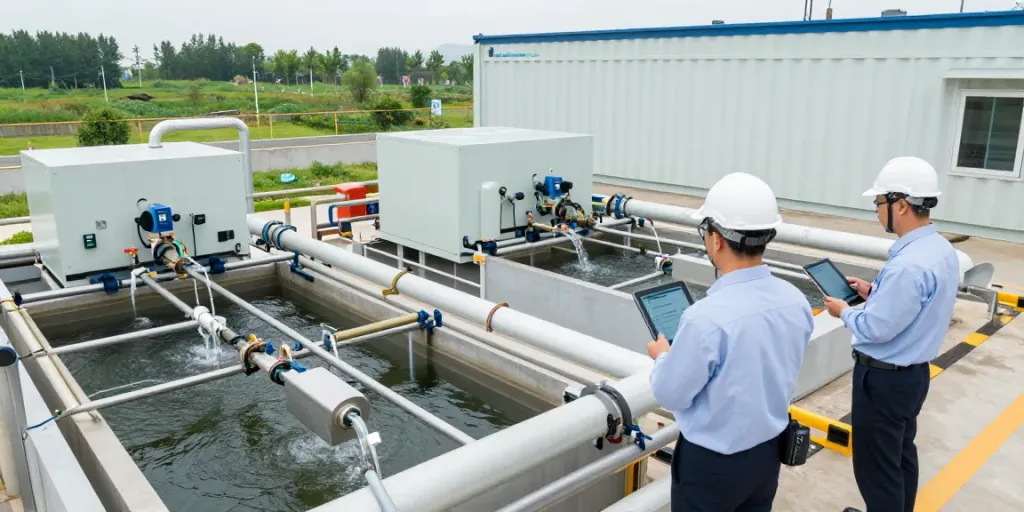
At their core, reclaimed water systems employ a multi-step treatment process that typically includes physical, biological, and chemical methods to remove contaminants. This may involve:
- Pre-Treatment: This initial phase often includes screening and sedimentation to remove large solids and debris.
- Biological Treatment: This step utilizes microorganisms to break down organic matter, significantly reducing the biochemical oxygen demand (BOD) and total suspended solids (TSS) in the wastewater.
- Advanced Treatment: Technologies such as MBR and RO further refine the water quality by removing smaller particles, pathogens, and dissolved substances, ensuring it meets or exceeds established health standards.
Once the water has been treated, it can be stored in reservoirs or distributed directly to various end-users, such as agricultural producers or industrial facilities.
Importance of Water Recycling in Industry
Water recycling through reclaimed water systems is vital for industries that rely heavily on water for operations. Sectors like agriculture, manufacturing, and power generation can benefit tremendously from implementing such systems. By reusing water, companies can:
- Lower Operational Costs: Reducing reliance on conventional water sources can lead to significant savings in utility costs.
- Enhance Sustainability: Adopting reclaimed water practices helps industries meet environmental regulations and sustainability goals, which is increasingly important for corporate social responsibility.
- Ensure Water Security: With changing climate patterns and increasing demands for water, recycling provides a reliable water supply amidst uncertainty.
Benefits of Implementing Reclaimed Water Systems
Cost-Efficiency and Resource Savings
Implementing reclaimed water systems can be a game-changer for both municipalities and industries by significantly reducing operational costs. By utilizing treated wastewater, organizations can manage their water supply more efficiently and avoid the escalating costs associated with purchasing freshwater. The initial investment in these systems can be recouped through lower water bills and the potential for financial incentives offered by governments for sustainable practices.
Environmental Impacts and Sustainability Goals
The environmental benefits of adopting reclaimed water systems are multifaceted. These systems contribute to:
- Decreased Water Pollution: By treating and reusing wastewater, we minimize the volume of untreated effluent entering natural water bodies.
- Conserved Freshwater Resources: Recycling wastewater helps to extend the lifespan of our freshwater supplies, ensuring their availability for future generations.
- Mitigating Flood Risks: Reclaimed water can also be used for stormwater management, reducing runoff and the risk of urban flooding.
In essence, reclaimed water systems play a critical role in achieving sustainability goals across various sectors.
Improving Water Security for Future Needs
As populations grow and climate change exacerbates water scarcity, reclaimed water systems offer a viable solution for improving water security. They facilitate a dependable supply of water, even in times of drought or water scarcity. By ensuring that treated wastewater is available for non-potable applications, communities can focus their limited freshwater resources on essential uses, such as drinking water.
Common Misconceptions About Reclaimed Water Systems
Safety Myths Surrounding Recycled Water
Despite the numerous benefits, misconceptions about safety often hinder the broader adoption of reclaimed water systems. Some common myths include:
- Reclaimed Water is Unsafe: Extensive testing and treatment processes ensure that reclaimed water meets strict health guidelines.
- Reclaimed Water is Only for Irrigation: While irrigation is a common application, reclaimed water can also be utilized in industrial processes, cooling systems, and even for potable uses after advanced treatment.
Quality of Reclaimed Water: What You Should Know
The quality of reclaimed water is determined by the level of treatment it undergoes and the intended use. For instance, water designated for irrigation must meet different standards compared to water intended for industrial usage. Communities should be educated on the treatment processes and the resulting water quality to alleviate concerns and promote acceptance.
Comparing Reclaimed Water with Traditional Water Sources
Reclaimed water systems provide an alternative to traditional freshwater sources. Although some may worry about the perceived inferior quality of reclaimed water, it is essential to note that when appropriately treated, it can equal or even surpass the quality of some natural freshwater sources. Additionally, utilizing reclaimed water alleviates the pressure on these sources, making it a critical component of sustainable water management.
Best Practices for Reclaimed Water System Implementation
Planning and Designing Effective Systems
Successfully implementing reclaimed water systems requires careful planning and design. Key considerations include:
- Site Assessment: Evaluating the specific needs of the location and the potential for water reuse.
- Stakeholder Engagement: Involving community members and other stakeholders in the planning process can lead to greater acceptance and collaboration.
- Choosing the Right Technology: The selection of appropriate treatment technologies depends on the types of contaminants present and the intended applications.
Regulatory Considerations and Compliance
Compliance with local, state, and federal regulations is essential when implementing reclaimed water systems. Understanding these regulations helps ensure that systems not only meet safety requirements but also align with regional water management strategies. Engaging with regulatory bodies early in the planning process can help navigate complex compliance landscapes.
Maintenance Strategies for Optimal Performance
To maximize the effectiveness of reclaimed water systems, regular maintenance and monitoring are crucial. This includes:
- Regular inspections of treatment processes to ensure operational efficiency.
- Routine water quality testing to confirm that reclaimed water meets specified health standards.
- Training staff on system operations and maintenance protocols to prevent issues before they arise.
Future Trends in Reclaimed Water Systems
Advancements in Filtration and Treatment Technologies
As technology continues to evolve, so do the methods of treating and reclaiming water. Innovations such as advanced membranes, nanotechnology, and real-time monitoring systems are set to enhance the efficiency and effectiveness of reclaimed water systems. These advancements will allow for even higher quality reclaimed water and expanded applications.
Adapting to Climate Change and Water Scarcity
The impacts of climate change and growing urban populations will drive the need for more robust and adaptable water management systems. Reclaimed water systems will be crucial in addressing these challenges. By offering a reliable source of water that can be tailored to local needs, they support resilience against water scarcity.
Role of Smart Technology in Water Reuse
Smart technology, including IoT devices and AI-driven analytics, will play an integral role in monitoring and managing reclaimed water systems. These tools can improve operational efficiency, provide real-time data for decision-making, and enhance overall system performance. Embracing smart technology is key to optimizing water reuse and ensuring sustainable practices.
What does "reclaimed water system" mean?
A reclaimed water system refers to a treatment process that transforms wastewater into reusable water, suitable for various applications, through advanced filtration and purification techniques.
Are reclaimed water systems safe for irrigation?
Yes, when reclaimed water is treated adequately, it is safe for use in irrigation, particularly for non-food crops and landscapes, minimizing the risk of contamination.
How much can I save with reclaimed water systems?
Implementing reclaimed water systems can lead to substantial cost savings on water bills, particularly in industries that consume large quantities of water for operations. The actual savings will depend on local water rates and the extent of reclaimed water usage.
What are the main applications of reclaimed water?
Main applications include agricultural irrigation, industrial processes, landscape irrigation, and, in some cases, potable uses after advanced treatment processes.
How do regulations impact reclaimed water systems?
Regulations dictate the design, implementation, and operation of reclaimed water systems to ensure public health and environmental safety. Understanding and complying with these regulations is critical to successful system deployment.