The Importance of CNC Machining in Aerospace Manufacturing
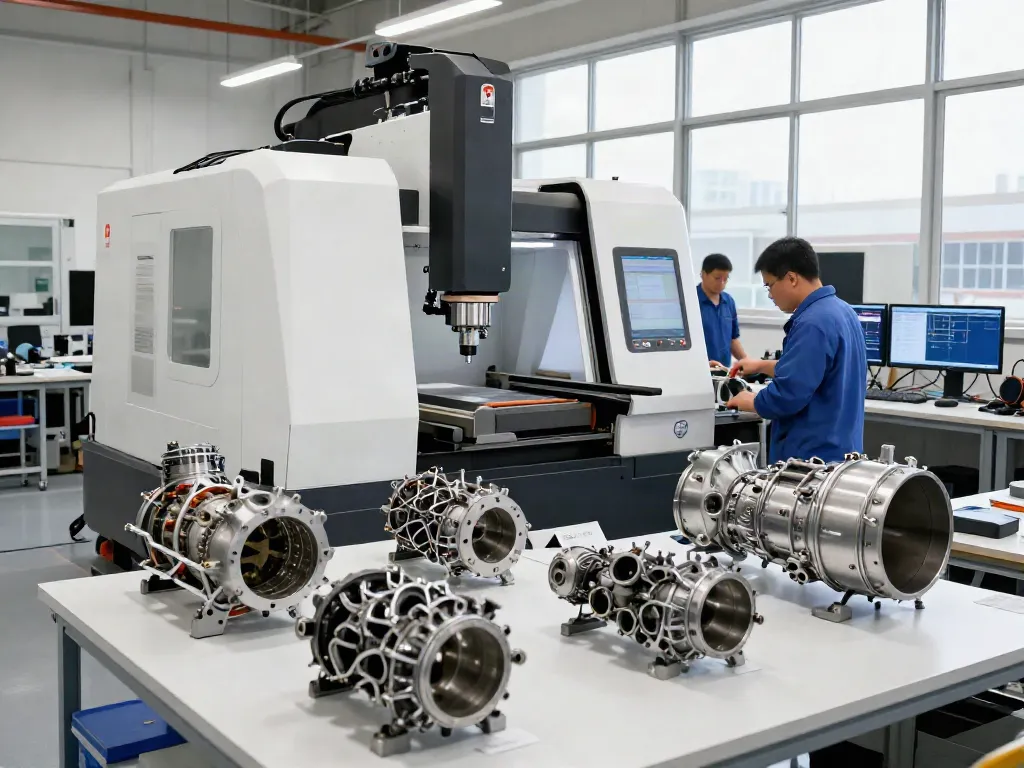
The aerospace industry demands high precision, reliability, and quality in every component used—from engines to control systems. CNC (Computer Numerical Control) machining has revolutionized this sector, offering unmatched accuracy and efficiency in producing complex parts. As a leading option for many manufacturers, CNC machining enables the development of intricate and lightweight designs necessary for modern aircraft. The significance of this technology cannot be overstated, as it ensures that aerospace components meet stringent safety and performance standards. To find the best solutions, consider how leading aerospace cnc parts manufacturers leverage advanced machining capabilities to meet these high demands.
Understanding CNC Machining for Aerospace
CNC machining is a manufacturing process that utilizes computers to control machine tools. It allows manufacturers to create highly precise parts by translating CAD (Computer-Aided Design) models into physical objects. In aerospace, CNC machining is essential for fabricating components such as brackets, housings, and fixtures, which must adhere to rigorous industry standards. The technology supports various machining methods, including milling, turning, and grinding, facilitating the production of intricate geometries required for today’s advanced aerospace systems.
With the ability to automate production and maintain consistent quality across large batches, CNC machining has become a cornerstone of modern aerospace manufacturing. Notably, its flexibility allows for rapid changes in design and quick adaptation to evolving industry requirements, making it an invaluable asset to aerospace engineers and manufacturers alike.
Benefits of Precision Parts in Aerospace Applications
The aerospace sector places an immense emphasis on precision. Components must not only meet design specifications but also perform reliably under high-stress conditions. The benefits of precision parts manufactured through CNC machining include:
- Enhanced Performance: High-precision parts improve the overall efficiency and safety of aerospace systems.
- Weight Reduction: CNC machining allows for the manufacture of lightweight components, critical for fuel efficiency.
- CNC Process Repeatability: Automated processes ensure that every part produced maintains the same specifications, reducing variability and defects.
- Cost-Effectiveness: While initial setup costs may be high, CNC machining lowers long-term production costs due to reduced waste and faster turnaround times.
- Complex Geometries: The technology enables manufacturers to create complex shapes and features that would be difficult or impossible to achieve with traditional methods.
Challenges Faced by Leading Aerospace CNC Parts Manufacturers
Despite the advantages of CNC machining, leading aerospace CNC parts manufacturers face several challenges:
- Material Limitations: While various materials can be used, not all metals and plastics meet the stringent requirements of aerospace applications.
- Regulatory Compliance: Manufacturers must navigate a complex web of regulations and certifications to ensure safety and efficacy.
- Technological Advancements: Keeping pace with rapidly evolving technology can be resource-intensive.
- Supply Chain Issues: Dependence on global supply chains can lead to delays and fluctuations in material availability.
Choosing the Right Materials for Aerospace Parts
The selection of materials for aerospace components significantly impacts performance and safety. The right choice can enhance durability, weight, and resistance to environmental factors such as heat and corrosion. When considering materials, manufacturers must evaluate both metal and plastic options.
Common Metal Materials Used in Aerospace CNC Machining
Metal materials play a crucial role in aerospace applications. Some commonly used options include:
- Aluminum Alloys: Lightweight and strong, aluminum is widely used in aircraft structures.
- Titanium Alloys: Known for their high strength-to-weight ratio and corrosion resistance, titanium is often used in critical components.
- Stainless Steel: Robust and resistant to corrosion, stainless steel is used in engine components and fasteners.
- Nickel Alloys: Used in high-temperature applications, these materials are essential for components exposed to extreme conditions.
Importance of Plastic Materials in Aerospace Applications
While metals are predominant, plastic materials also have important applications in aerospace. Common types include:
- PP (Polypropylene): Highly resistant to chemicals and fatigue, suitable for interiors.
- ABS (Acrylonitrile Butadiene Styrene): Offers good impact resistance and is lightweight, often used in interior parts.
- PEEK (Polyether Ether Ketone): Excellent thermal stability and mechanical properties, ideal for high-performance applications.
- POM (Polyoxymethylene): Known for its strength and stiffness, typically used in gears and bearings.
Evaluating Material Performance and Compliance Standards
In the aerospace sector, ensuring that materials meet strict performance criteria is essential. Manufacturers must evaluate:
- Mechanical Properties: Tensile strength, ductility, and fatigue resistance are critical for component performance.
- Thermal Properties: Understanding how materials behave at various temperatures can influence design choices.
- Compliance with Industry Standards: Materials used in aerospace must comply with regulations like AS9100 and ISO certifications to ensure safety and reliability.
Insights into the CNC Machining Process
The CNC machining process is multifaceted and allows for a wide range of manufacturing capabilities. Understanding this process can help manufacturers optimize their operations to meet aerospace demands.
From Rapid Prototyping to Mass Production
CNC machining is an ideal solution for both rapid prototyping and mass production. The key advantages include:
- Speed: Rapid prototyping allows for quick iterations of designs, enabling faster time-to-market.
- Scalability: CNC machining can easily shift from producing a few parts to large-scale manufacturing without significant downtime.
- Flexibility: Adjusting to design changes is seamless, providing manufacturers with the agility needed in fast-paced aerospace markets.
Quality Control Measures in Aerospace Manufacturing
Maintaining quality is paramount in the aerospace industry. Leading manufacturers implement rigorous quality control measures such as:
- In-Process Inspection: Using CNC machines equipped with sensors can provide real-time feedback on part accuracy.
- Statistical Process Control: Continuous monitoring and analysis of production processes to identify potential defects early.
- Documentation and Traceability: Keeping detailed records of materials and processes to ensure compliance and accountability.
Innovations in CNC Technology and Processes for 2026
The future of CNC machining in aerospace looks promising, driven by technological advancements that enhance capabilities. Innovations likely to shape the industry include:
- Artificial Intelligence: Integrating AI can optimize machining processes, improve predictive maintenance, and enhance automation.
- Additive Manufacturing: The convergence of CNC machining and 3D printing methods allows for more complex geometries and lower waste.
- IoT Integration: Connecting machines to the Internet of Things (IoT) can facilitate real-time monitoring and adjustments, enhancing operational efficiency.
Case Studies: Successful Aerospace CNC Machining Projects
Real-world applications provide valuable insights into the effectiveness of CNC machining in aerospace manufacturing. These examples illustrate the capabilities and potential of this technology.
Highlighting Leading Aerospace CNC Parts Manufacturers
Renowned manufacturers have leveraged CNC machining to create high-performance components. For instance:
- Boeing: Utilizes advanced CNC technology to manufacture lightweight aircraft structures that meet stringent safety standards.
- Lockheed Martin: Employs precision CNC machining for military aircraft components, ensuring durability and reliability.
- Airbus: Focuses on incorporating robotics and automation in CNC machining processes to enhance productivity.
Lessons from Real-World Applications
Through these case studies, companies have learned important lessons about quality control, material selection, and the importance of collaboration among engineering, design, and production teams. Key takeaways include:
- Early Collaboration: Engaging cross-functional teams early in the design process ensures manufacturability.
- Investing in Technology: Continuous investment in CNC technology can yield significant returns in efficiency and quality.
- Emphasizing Training: Regular training for staff on the latest CNC techniques ensures optimal operation and maintenance of machinery.
Future Trends in Aerospace CNC Machining
As the aerospace industry evolves, several trends are expected to shape the future of CNC machining:
- Customization: Increasing demand for customized components necessitates flexible machining solutions capable of handling unique designs.
- Sustainability: Eco-friendly practices in CNC machining will become more prominent as companies strive to minimize their environmental footprint.
- Advanced Materials: The development of new materials, such as composites, will require innovative CNC machining approaches to address their unique properties.
How to Collaborate with Leading Aerospace CNC Parts Manufacturers
Effective collaboration is essential when working with manufacturers in the aerospace sector. Maintaining clear communication and strategic alignment can significantly enhance project outcomes.
Establishing Effective Communication and Collaboration
To foster successful partnerships, companies must prioritize open communication. This includes:
- Regular Updates: Frequent status meetings to discuss project progress and address any challenges.
- Shared Goals: Aligning objectives ensures that all parties work towards the same end result, maximizing efficiency.
- Feedback Mechanisms: Establishing channels for feedback facilitates continuous improvement and rapid troubleshooting.
Building Long-Term Partnerships in Aerospace Manufacturing
Long-term partnerships can lead to mutually beneficial relationships and increased competitiveness. Strategies for fostering these partnerships include:
- Consistent Quality Delivery: Maintaining high-quality standards builds trust and reliability.
- Value-Added Services: Offering additional services, such as logistics support and post-production analysis, can enhance collaboration.
- Joint Development Initiatives: Collaborating on research and development projects can lead to innovative solutions and shared success.
Measuring Success: Key Performance Indicators
To evaluate the effectiveness of partnerships and projects, it is essential to establish key performance indicators (KPIs) such as:
- On-Time Delivery Rates: Measuring the ability to meet deadlines indicates operational efficiency.
- Defect Rates: Tracking the number of defects helps assess quality control effectiveness.
- Cost Performance: Evaluating budget adherence provides insights into financial management.
What is CNC Machining?
CNC machining is a manufacturing process that utilizes automated equipment to control various machine tools. This method enhances precision and efficiency, making it a preferred choice for many industries, including aerospace.
What are the common materials used in aerospace CNC machining?
Common materials used in aerospace CNC machining include various metals such as aluminum, titanium, and stainless steel, as well as plastics like PEEK and POM.
How do CNC manufacturers ensure precision in aerospace parts?
CNC manufacturers ensure precision by employing advanced machining technologies, rigorous quality control measures, and real-time monitoring systems to maintain exact tolerances.
What are recent trends in aerospace CNC machining?
Recent trends include innovations in AI, increased integration of IoT technology, and a focus on sustainability and customization in manufacturing processes.
Why choose professional CNC machining services for aerospace?
Professional CNC machining services offer expertise, experience, and access to advanced technologies, ensuring that aerospace components meet high-quality standards and performance metrics.