
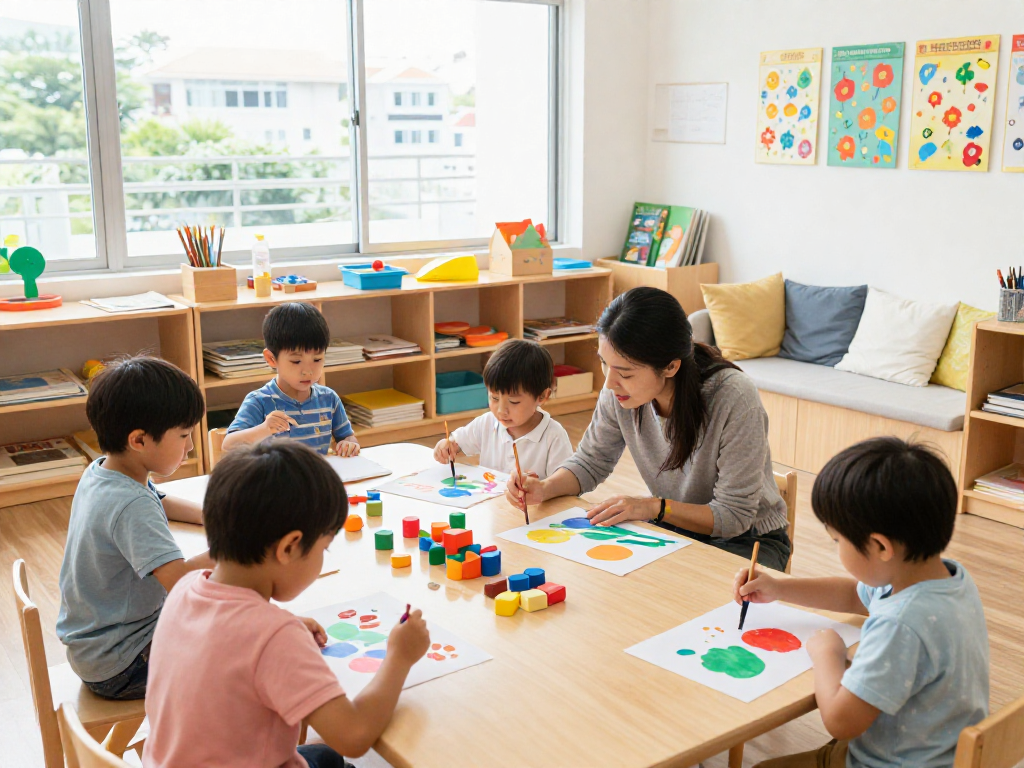
Understanding the Importance of Kindergarten Education
In today's rapidly changing world, the significance of kindergarten education cannot be overstated. It forms the foundation for children's lifelong learning, shaping their emotional, social, and cognitive development during the crucial early years. Research indicates that quality early childhood education significantly impacts children's overall growth, providing essential skills that they carry into adulthood. When exploring options, Kindergarten Singapore offers comprehensive insights into how a nurturing environment can enhance your child's educational journey.
Why Kindergarten Matters for Early Development
Kindergarten serves as the bridge between home and formal education. During this period, children develop critical skills in communication, problem-solving, and collaboration. They learn to interact with peers and caregivers, fostering essential social skills that are key to successful personal and academic lives. Early exposure to structured learning environments allows children to adapt more easily to formal schooling, laying the groundwork for future educational success.
Key Skills Developed in Kindergarten Singapore
- Social Skills: Children learn to share, negotiate, and express emotions, forming the basis for healthy relationships.
- Cognitive Development: Engaging activities cultivate critical thinking and problem-solving abilities.
- Language Skills: Early literacy and communication are emphasized, enabling children to express themselves clearly.
- Emotional Intelligence: Recognizing and managing their emotions helps children cope with challenges.
What Parents Need to Know About Early Learning
Parents play a pivotal role in their child's early education. Understanding the curriculum and actively engaging in their children's learning experiences can enhance outcomes significantly. It's essential for parents to foster a positive attitude towards education, as this sets the tone for lifelong learning. By creating a supportive learning environment at home, parents can reinforce skills acquired in kindergarten and encourage curiosity and exploration.
Exploring Inquiry-Based Learning Approaches
What is Inquiry-Based Learning?
Inquiry-based learning is an educational approach that encourages students to ask questions, explore, and engage deeply with content. This methodology shifts the focus from teacher-led instruction to student-centered exploration, allowing children to learn through their natural curiosity. In kindergartens that adopt this approach, students are provided opportunities to investigate topics that intrigue them, promoting a love for learning that extends beyond the classroom.
Benefits of Inquiry-Based Curriculum in Kindergartens
- Fosters Independence: Children become active participants in their learning, which builds confidence and self-directed learning skills.
- Enhances Critical Thinking: Students learn to analyze information, ask relevant questions, and develop reasoned conclusions.
- Encourages Collaboration: Working in groups helps children develop social skills and learn from each other.
- Promotes Creativity: An open-ended curriculum encourages creative expression and innovation.
How Pegasus Implements Effective Learning Strategies
At Pegasus International Preschool, inquiry-based learning is central to the curriculum. The preschool environment is designed to encourage exploration, where children are engaged in hands-on activities that stimulate their imagination and curiosity. Teachers guide the learning process, providing support and encouragement while allowing students the freedom to investigate topics of interest. This approach not only nurtures academic skills but also emotional and social development, ensuring a well-rounded early education experience.
Choosing the Right Kindergarten in Singapore
Factors to Consider When Selecting a Kindergarten
Choosing the right kindergarten for your child is a significant decision. Parents should consider several factors, including location, curriculum, and the teacher-child ratio. It's essential to select a kindergarten that aligns with your child's learning style and developmental needs. Additionally, visiting schools and interacting with staff can provide valuable insights into the environment and culture of the institution.
Key Features of Leading Singapore Kindergartens
- Holistic Approach: Leading kindergartens focus on comprehensive development, integrating academics, physical activities, and emotional wellness.
- Qualified Staff: Experienced and trained educators who understand the developmental stages of young children.
- Safe Environment: Facilities that provide a nurturing and secure space for children to explore.
- Parental Involvement: Opportunities for parents to engage in their child's learning journey.
Why Pegasus International Preschool Stands Out
Pegasus International Preschool distinguishes itself through its commitment to inquiry-based learning and holistic development. With a focus on fostering curiosity and creativity, Pegasus creates a stimulating learning environment where children thrive. The preschool employs tight teacher-child ratios to ensure personalized attention and support for each child's educational journey. This nurturing atmosphere, combined with an innovative curriculum, positions Pegasus as a leader in early childhood education in Singapore.
Holistic Development from a Young Age
Promoting Emotional and Social Growth
Holistic development encompasses emotional, social, cognitive, and physical growth. Kindergartens that prioritize emotional and social learning create environments where children feel safe and valued. Programs that emphasize collaboration and peer interaction foster social skills, while emotional intelligence activities teach children to understand their own emotions and those of others.
Integrating Arts and Physical Activity in Kindergarten
Artistic expression and physical activity are crucial components of a well-rounded kindergarten education. Engaging children in music, dance, and visual arts nurtures creativity and self-expression. Similarly, physical activity promotes health and well-being while helping children develop coordination and motor skills. By integrating these elements into the curriculum, kindergartens can stimulate children's imaginations and provide avenues for emotional expression.
The Role of Parents in Supporting Holistic Learning
Parental support and engagement are vital in reinforcing the holistic learning experienced in kindergarten. Parents can complement educational activities at home by encouraging exploration, providing enriching experiences, and maintaining open lines of communication with teachers. By being involved, parents help cultivate a positive attitude towards learning and create a cohesive support system for their children.
Future Trends in Early Childhood Education
Emerging Educational Technologies in Kindergartens
The landscape of early childhood education is evolving with the integration of technology. Interactive learning tools, educational apps, and online resources provide new opportunities for engagement and learning. Kindergartens that incorporate technology into their curricula can enhance student motivation and provide personalized learning experiences that cater to individual needs and interests.
How Global Practices Influence Kindergarten Singapore
The globalization of educational practices brings innovative teaching strategies and curricula to Singaporean kindergartens. As educators adopt best practices from around the world, they enhance the learning experience for children. This cross-cultural exchange creates a diverse educational environment that prepares children to thrive in a globalized world.
Preparing Children for Lifelong Learning Beyond 2026
As we look to the future, preparing children for lifelong learning becomes paramount. Early education must focus not only on academic skills but also on fostering adaptability, critical thinking, and emotional resilience. Kindergartens that emphasize inquiry-based learning and holistic development equip children with the tools necessary to navigate an ever-changing world successfully.
What makes Pegasus a top choice for parents?
Pegasus International Preschool's commitment to inquiry-based learning, low student-teacher ratios, and holistic development makes it a premier choice for parents seeking quality early childhood education. The school's nurturing environment fosters curiosity, creativity, and social interaction, ensuring that children are well-prepared for their academic journeys ahead.
How does the inquiry-based curriculum benefit children?
The inquiry-based curriculum at Pegasus encourages children to explore their interests, ask questions, and engage with their environment. This active participation fuels a love for learning, critical thinking skills, and independence, making the learning process enjoyable and meaningful.
What unique features set Singapore preschools apart?
Preschools in Singapore often integrate multiple languages and cultural experiences into their curricula. The emphasis on inquiry-based learning and holistic development, along with a strong focus on parent involvement, distinguishes these institutions as leaders in early childhood education.
How does parental involvement enhance learning?
Parental involvement is crucial for reinforcing the educational experience. Parents who actively engage in their child's learning journey help to bridge the gap between home and school, providing consistency and support that enhances the child's overall development.
What are the signs of a successful kindergarten program?
Indicators of a successful kindergarten program include a well-rounded curriculum, positive teacher-student interactions, a nurturing environment, and active parental engagement. Programs that produce confident, curious, and socially adept children showcase the effectiveness of their educational approach.