Understanding Physics Tuition: What You Need to Know
Physics tuition is an essential resource for students struggling with the complexities of the subject. As the demand for qualified physicists grows, the education system faces challenges in adequately equipping students with the necessary skills. Engaging with specialized tuition can bridge this gap and significantly enhance a student's understanding and performance in physics. When exploring options, physics tuition provides comprehensive insights into mastering the curriculum and preparing for future academic challenges.
What is Physics Tuition?
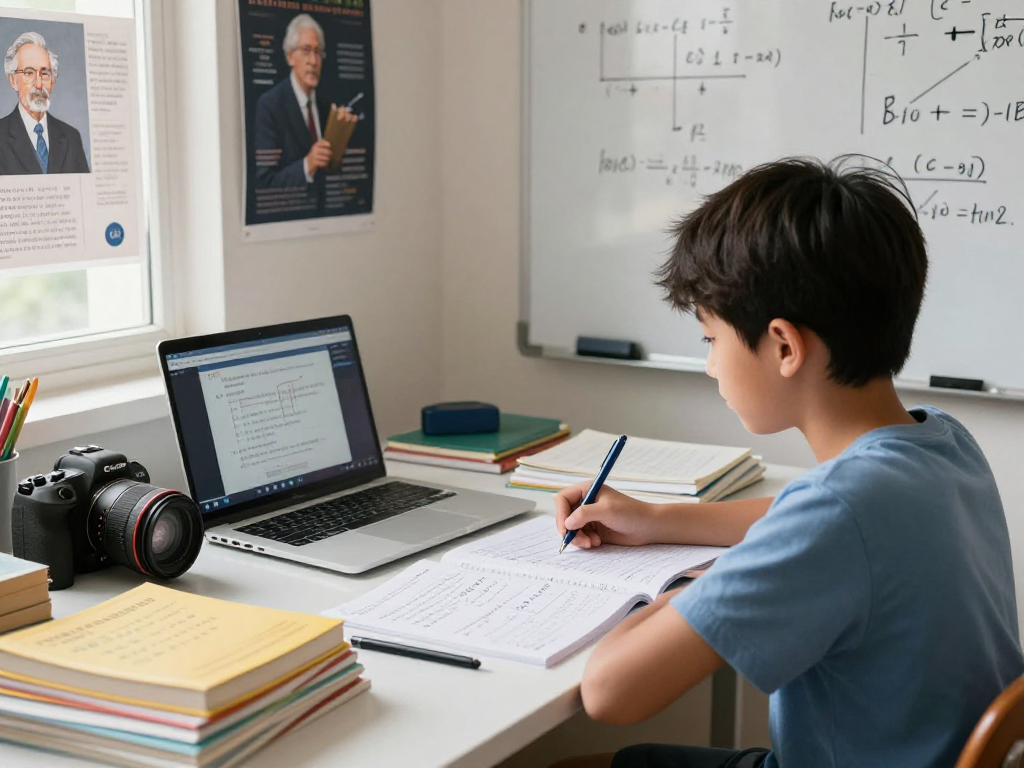
Physics tuition refers to personalized instruction aimed at helping students comprehend the principles and applications of physics. Unlike traditional classroom settings, which can often leave students feeling overwhelmed by the pace or content, tuition offers a tailored approach. This individualized learning experience focuses on the unique needs of each student, allowing them to progress at their own pace and delve deeper into topics that may be challenging.
The Importance of Physics in Education
Physics is one of the fundamental sciences, forming the basis for numerous fields, including engineering, chemistry, and even biology. Understanding physics equips students with critical thinking and problem-solving skills essential for both academic success and real-world applications. Moreover, as technology continues to advance, the need for a strong foundation in physics becomes increasingly vital. Students with a solid understanding of physics are often better prepared for higher education and careers in STEM fields.
How Physics Tuition Differs from Standard Learning
While standard classroom learning provides a structured environment for education, physics tuition emphasizes personalized teaching methods that cater to individual learning styles. This differentiation allows tutors to focus on specific areas where a student may struggle, ensuring a more effective learning outcome. Moreover, tuition can offer real-time feedback and alternative explanations, making complex concepts easier to grasp.
Benefits of One-on-One Physics Tuition
Personalized Learning Experience
One of the most significant advantages of one-on-one physics tuition is the personalized learning experience it offers. In a typical classroom, a teacher must cater to the diverse needs of all students, often resulting in a one-size-fits-all approach. However, a tutor can assess a student's strengths and weaknesses, adapting their teaching to suit individual learning preferences. This tailored strategy fosters a more profound understanding of physics concepts.
Targeting Weaknesses and Strengths
Through individualized attention, tutors can effectively identify the areas where a student excels and those needing improvement. This targeted approach not only helps students overcome their weaknesses but also reinforces their strengths. By developing a comprehensive understanding of their capabilities, students can approach physics problems with confidence.
Building Confidence in Problem Solving
Physics tuition encourages students to tackle challenging problems and develop effective problem-solving strategies. As students gain mastery over various concepts, their confidence naturally increases, leading to improved academic performance. This newfound confidence can also extend beyond the physics classroom, positively affecting other subjects and overall academic success.
Choosing the Right Physics Tutor
Qualifications and Expertise to Look For
When selecting a physics tutor, it is essential to consider their qualifications and teaching experience. Look for professionals with degrees in physics or related fields, as well as experience in tutoring students at similar educational levels. A well-qualified tutor can provide depth and clarity to concepts, translating complex theories into relatable terms.
Assessing Teaching Styles and Methods
Every tutor has a unique teaching style, and finding one that resonates with the student is crucial for effective learning. Some tutors may adopt a hands-on approach with practical problems, while others may focus on theoretical applications. Engaging with potential tutors through trial sessions can help determine the right fit, ensuring a productive learning environment.
How to Match a Tutor with Your Learning Goals
Establishing a clear set of learning goals is essential when working with a tutor. Students should communicate their short-term and long-term objectives, such as preparing for exams or gaining foundational knowledge. A good tutor will help align their teaching methods with these goals, ensuring that the tutoring sessions are focused and effective.
Effective Learning Strategies in Physics Tuition
Utilizing Technology for Enhanced Learning
The integration of technology in physics tuition can greatly enhance the learning experience. Online simulations, interactive tools, and educational apps can provide additional support, making it easier for students to visualize and understand complex concepts. Tutors can incorporate these resources into their sessions, giving students access to diverse learning materials.
Hands-On Experiments and Practical Applications
Physics is fundamentally a science grounded in experimentation. Offering students the opportunity to engage in hands-on experiments during tuition can solidify their understanding of theoretical concepts. Practical applications not only deepen comprehension but also ignite curiosity, encouraging students to explore physics beyond classroom walls.
Creating a Study Schedule for Success
Establishing a consistent study schedule is crucial for mastering physics concepts. Students should work with their tutors to develop a structured plan that outlines sessions, goals, and review periods. Regularly scheduled sessions, combined with periodic assessments, will help track progress and maintain motivation.
Future Trends in Physics Tuition for 2026
Incorporating AI and Online Learning Tools
By 2026, the use of artificial intelligence (AI) in education is expected to grow substantially. AI can provide personalized learning experiences by analyzing a student's performance and suggesting tailored content. Online learning platforms will likely integrate these AI capabilities, allowing for a more adaptive and effective tutoring approach.
Collaborative Learning Approaches
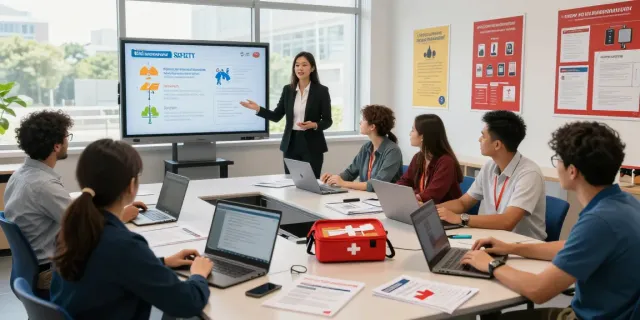
Future physics tuition may also embrace collaborative learning techniques, wherein students work together to solve problems and engage in discussions. This approach not only promotes social interaction but also allows students to learn from one another, deepening their understanding while developing essential teamwork skills.
Emerging Topics in Physics Education
As the field of physics evolves, new topics will emerge in the curriculum. Tutors will need to stay updated on these trends, which may include advancements in quantum mechanics, renewable energy technologies, or the role of physics in artificial intelligence. Being informed about these subjects will enable tutors to provide the most relevant education to their students.
How to Stay Updated with the Latest Developments?
For both tutors and students, staying informed about the latest developments in physics is critical. Engaging with educational journals, online courses, and interdisciplinary seminars can provide valuable insights. Furthermore, participating in relevant forums and discussion groups can foster a sense of community and continuous learning.
What makes physics tuition different from school lessons?
Physics tuition differs from traditional school lessons in several ways. Primarily, it provides a customized approach tailored to an individual student's needs. Whereas classroom instruction often has to cater to a variety of learning styles and paces, tuition allows for a focused examination of specific areas. This individual attention can lead to a deeper understanding of complex topics.
How can physics tuition improve grades?
Physics tuition can improve grades by providing targeted assistance with challenging concepts and dedicated time for problem-solving practice. A skilled tutor can help a student identify areas of misunderstanding and provide strategies to overcome these obstacles, leading to better academic performance and higher grades.
What resources can supplement physics tuition?
Several resources can supplement physics tuition, including textbooks, online learning platforms, and educational videos. Interactive simulations and problem sets available online can also enhance understanding. Students should discuss with their tutors which resources would be most beneficial for their specific learning needs.
Are there online options for physics tuition?
Yes, there are numerous online options available for physics tuition, which has become increasingly popular due to its accessibility. Virtual tutoring sessions can be just as effective as in-person meetings, allowing students to engage with qualified tutors from the comfort of their homes. This flexibility can also accommodate varying schedules, making it easier for students to prioritize their education.
How often should students attend physics tuition sessions?
The frequency of physics tuition sessions depends on the individual student's needs and goals. Some may benefit from weekly sessions to reinforce concepts, while others may only require bi-weekly or monthly meetings for specific topics or exam preparation. Collaborating with a tutor to assess progress can help determine the most effective schedule.