
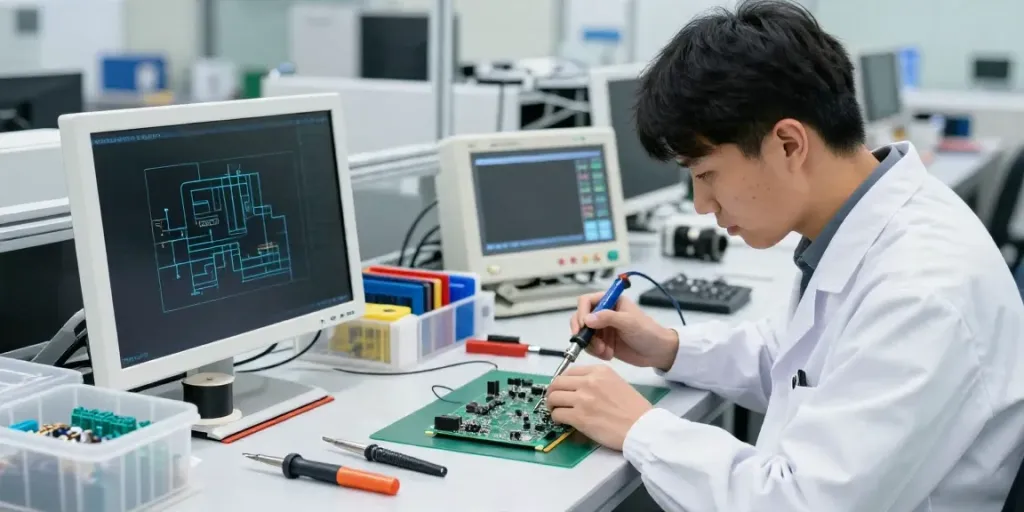
Understanding Prototype PCB Assembly
Prototype PCB assembly is a critical phase in the development of electronic devices, where initial designs come to life through tangible circuit boards. This process allows engineers and designers to test functionality, identify design flaws, and make necessary adjustments before moving into full-scale production. As the demand for faster innovation cycles rises, understanding the intricacies of prototype PCB assembly is more important than ever for professionals in various industries. Whether you're an engineer, a product manager, or an entrepreneur, mastering this process can significantly influence the success of your electronic products.
When exploring options, prototype PCB assembly provides comprehensive insights that can enhance your project outcomes. The benefits of undertaking efficient prototyping can set the stage for successful product launches and sustainable development practices.
What is Prototype PCB Assembly?
Prototype PCB assembly refers to the process of assembling a small number of printed circuit boards that represent a design’s physical form. This includes placing components, soldering, and often testing the board for functionality. The goal is to validate design choices and ensure that all elements function together as intended. Unlike mass production, prototype assembly focuses on quick iteration, allowing for rapid adjustments based on testing feedback.
Benefits of Using Prototype PCB Assembly
- Faster Time to Market: By assembling prototypes quickly, manufacturers can reduce the development timeline, allowing products to reach consumers more swiftly.
- Cost Efficiency: Investing in prototype assembly can save costs in the long run by identifying design issues early, thus avoiding expensive changes during mass production.
- Enhanced Collaboration: Prototyping encourages collaboration among engineers, designers, and stakeholders, leading to a more refined final product.
Common Applications and Industries
Prototype PCB assembly is utilized across various sectors, including consumer electronics, automotive, medical devices, and telecommunications. Each of these industries can leverage the benefits of prototyping to test new technologies or improve existing products. For example, in the medical field, rapid prototyping allows for the swift development of life-saving devices that require rigorous testing and validation.
Challenges in Prototype PCB Assembly
Cost Implications of Prototyping
While prototype PCB assembly offers numerous benefits, it is not without its challenges, notably cost implications. The expense of high-quality components, rapid assembly processes, and testing can accumulate quickly, especially if multiple iterations are needed. Companies must balance the need for a functional prototype with budget constraints, which can be particularly challenging for startups with limited resources.
Technical Limitations and Solutions
Technical limitations such as size constraints, component availability, and manufacturing capabilities can hinder the prototyping process. To overcome these issues, companies often seek out specialized PCB manufacturers who can provide the necessary resources and expertise. By leveraging advanced technologies like automated assembly and IoT-enabled testing, teams can mitigate these limitations and enhance their prototype outcomes.
Misconceptions About PCB Prototyping
Many misconceptions surround PCB prototyping, including the idea that it is only for large-scale companies or that it guarantees a perfect final product. In reality, prototyping is accessible to businesses of all sizes and serves as a crucial step for refining designs, even when initial prototypes reveal flaws.
Best Practices for Successful Prototype PCB Assembly
Design Considerations in Prototyping
When designing PCBs for prototyping, it is essential to keep manufacturability in mind. This includes considering the layout of components, solder pad sizes, and trace widths to facilitate easier assembly and testing. Using design tools that incorporate DFM (Design for Manufacturability) rules can help refine designs before they enter the assembly stage.
Choosing the Right Manufacturer
Selecting an experienced PCB manufacturer is crucial for successful prototype assembly. Factors to consider include their turnaround times, quality assurance processes, and ability to handle complex designs. A reliable partner will not only help in assembly but can also provide valuable feedback and suggestions during the design process.
Quality Assurance and Testing Techniques
Implementing robust quality assurance and testing procedures during prototype PCB assembly can identify issues before they escalate. Techniques such as Automated Optical Inspection (AOI) and functional testing play vital roles in validating prototypes, ensuring that they meet design specifications and function correctly.
Real-World Examples of Prototype PCB Success
Case Studies of Innovative Designs
Numerous companies have successfully leveraged prototype PCB assembly to launch innovative products. For instance, a startup might prototype a wearable health device, iterating on design based on user feedback to create a more user-friendly product. These case studies illustrate the tangible impact of effective prototyping on product development.
Lessons Learned from Failed Prototypes
Not all prototypes succeed, and analyzing failures can provide invaluable lessons. A common reason for failure is inadequate testing before moving to production. By understanding the pitfalls experienced by others, engineers can implement more effective testing and design strategies in their own projects.
Interviews with Industry Experts
Insights from industry experts can shed light on effective prototyping strategies. Engaging with professionals who have navigated the landscape of prototype PCB assembly can reveal best practices, emerging trends, and common challenges. Such discussions can foster a deeper understanding of the nuances involved in successful prototyping.
The Future of Prototype PCB Assembly
Emerging Trends for 2026 and Beyond
As the electronics industry evolves, so too does the landscape of prototype PCB assembly. Emerging trends such as increased automation in assembly processes, the rise of additive manufacturing (3D printing), and enhanced collaboration tools will shape the future of prototyping. Staying informed about these developments is essential for staying competitive.
Technological Advancements Shaping the Industry
Technological advancements such as AI and machine learning are beginning to influence PCB design and assembly processes. These technologies can optimize designs, enhance testing accuracy, and streamline production workflows, making them invaluable for the future of prototype assembly.
Impact of Sustainability on PCB Manufacturing
With a growing emphasis on sustainability, the PCB industry is witnessing a shift toward eco-friendly materials and manufacturing processes. Exploring sustainable practices in prototyping can not only reduce the environmental footprint but also appeal to a conscientious consumer base.
Challenges and Opportunities Ahead
While there are numerous opportunities for innovation in prototype PCB assembly, challenges such as supply chain disruptions and increasing material costs persist. Companies that can navigate these obstacles with agility are likely to thrive in the competitive landscape of electronic manufacturing.