
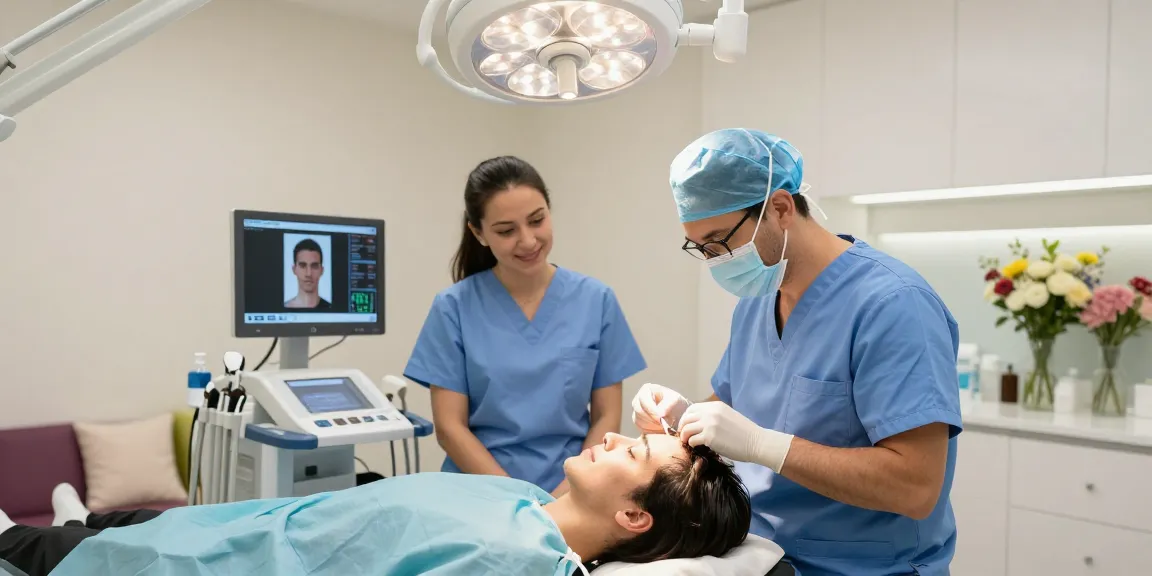
Understanding Hair Transplant Techniques
When it comes to hair restoration, understanding the techniques available is crucial for anyone considering this life-changing procedure. The advancements in medical technology have significantly improved hair transplant outcomes, making it a feasible option for many experiencing hair loss. In Istanbul, a hub for hair transplant procedures, the options range from traditional methods to innovative new techniques, all designed to provide natural-looking results. For those researching their options, hair transplant istanbul offers a wealth of information and guidance, helping patients make informed decisions.
What is the Follicular Unit Extraction Method?
The Follicular Unit Extraction (FUE) method is one of the most popular techniques in hair transplant procedures today. This method involves the extraction of individual hair follicles from a donor area, typically located at the back of the scalp, and transplanting them to the areas experiencing thinning or balding. The precision of FUE allows for minimal scarring and a quicker recovery time compared to traditional methods. Since FUE does not involve the removal of a large strip of scalp, it results in less discomfort and a more discreet recovery.
Exploring the Follicular Unit Transplant Method
Follicular Unit Transplant (FUT) is a traditional technique that involves removing a strip of skin containing hair follicles from the donor site. The strip is then dissected into individual follicular units before being transplanted. While FUT can yield a larger number of grafts in a single session, it generally results in a linear scar at the donor site. This method may be more suitable for those with significant hair loss who require a larger number of grafts. Understanding both methods allows patients to weigh their options based on their individual needs and circumstances.
Comparing Traditional Methods with Modern Techniques
Comparing traditional methods like FUT with modern techniques like FUE reveals significant differences in approach and outcomes. Traditional techniques may offer a larger number of grafts but come with drawbacks such as visible scarring and longer recovery times. Conversely, modern methods like FUE focus on minimizing scars, enabling an expedited recovery, and providing patients with a more natural-looking result. Patients should consider their lifestyle and personal preferences when choosing between these hair transplant techniques.
The Benefits of Choosing Istanbul for Hair Transplant
Choosing Istanbul for hair transplant procedures presents numerous advantages. The city has emerged as a leading destination for medical tourism, particularly for hair restoration. With a combination of skilled professionals, advanced medical technologies, and competitive pricing, Istanbul is an attractive option for those seeking hair transplants.
Why Istanbul is a Hub for Hair Restoration
Istanbul's position as a hub for hair restoration is bolstered by its reputation for high-quality medical care. The city boasts numerous clinics staffed by experienced surgeons who are trained in the latest techniques. Many of these professionals have international certifications and a proven track record of successful hair transplants. Furthermore, the city's welcoming atmosphere and rich cultural heritage enhance the experience for patients traveling from abroad.
Cost Comparisons: Istanbul vs. Other Major Cities
One of the most compelling reasons to consider Istanbul for a hair transplant is the cost. Compared to cities like London, New York, or Los Angeles, hair transplants in Istanbul can be significantly less expensive while still maintaining high standards of care. This cost-effectiveness does not compromise quality; many clinics in Istanbul use state-of-the-art technology and employ highly qualified staff, making it a smart financial choice for patients seeking hair restoration.
Expertise and Technology in Turkish Clinics
The expertise found in Turkish clinics is another reason for the rising popularity of hair transplants in Istanbul. Many clinics integrate cutting-edge technology with experienced surgical staff to deliver optimal results. Techniques like robotic-assisted hair restoration and advanced follicular extraction methods are increasingly common in Turkey, allowing for more precise and efficient procedures. Patients can expect to receive comprehensive care that prioritizes their individual needs and hair restoration goals.
Preparing for Your Hair Transplant Journey
Preparation is key to ensuring a successful hair transplant experience. Understanding what to expect before, during, and after the procedure can alleviate many concerns and help patients feel more confident as they embark on this journey.
What to Expect on the Day of the Procedure
On the day of the hair transplant, patients will typically undergo a pre-operative consultation to finalize the treatment plan and address any remaining questions. The procedure itself can last several hours, depending on the number of grafts required. Local anesthesia is administered to minimize discomfort, and patients can expect to feel little to no pain during the procedure. Post-surgery instructions will be provided to ensure the best possible outcome.
Preparing Mentally and Physically for the Surgery
Mental preparation is as important as physical readiness. Patients should take time to research and understand the process, outcomes, and recovery times associated with their chosen method. Additionally, maintaining a healthy lifestyle, including proper nutrition and hydration, can aid in recovery and improve overall results. Discussing any concerns with the medical team can also help alleviate anxiety before the procedure.
Post-Procedure Care: Ensuring Optimal Results
Post-procedure care is crucial to achieving the best results from a hair transplant. Patients are typically advised to avoid strenuous activities for at least a week and follow a specific hair care regimen. Proper hygiene, avoiding sun exposure, and adhering closely to any post-operative instructions from the clinic will significantly influence the success of the transplant and the overall health of the hair follicles.
Common Myths and Misconceptions about Hair Transplants
Addressing common myths and misconceptions surrounding hair transplants is essential for prospective patients. Understanding the realities of the procedure can help clarify expectations and boost confidence in the decision-making process.
Addressing Pain Levels During the Procedure
A prevalent misconception is that hair transplants are extremely painful. In reality, with the use of local anesthesia during the procedure, most patients report minimal discomfort. The advancements in techniques, particularly in FUE, have prioritized patient comfort and satisfaction, ensuring the procedure is as painless as possible.
Longevity and Maintenance of Hair Transplants
Another common myth is that hair transplants are temporary solutions. In truth, when performed by skilled professionals, the results can be long-lasting. The transplanted hair follicles are typically taken from areas that are resistant to hair loss, meaning they will continue to grow in their new location. However, some patients may require maintenance treatments or touch-ups to achieve their desired density, especially if they experience ongoing hair loss in untreated areas.
Understanding Candidate Suitability for the Surgery
Not everyone is necessarily a good candidate for a hair transplant, a misconception that can lead to misunderstandings about the procedure. Factors such as age, hair type, and the extent of hair loss can influence suitability. Consulting with a qualified hair restoration professional can help determine if a patient is a suitable candidate and what the best approach would be for their individual situation.
Future Trends in Hair Restoration Treatments
The field of hair restoration is continuously evolving, with new technologies emerging every year. Staying informed about these advancements is important for potential patients considering a hair transplant.
Innovative Technologies Shaping Hair Transplants in 2026
By 2026, innovative technologies such as artificial intelligence and advanced robotics are expected to revolutionize hair transplant procedures further. These technologies can enhance precision in follicle extraction, leading to improved outcomes and reduced recovery times. Furthermore, the incorporation of 3D printing may allow for more personalized treatments, ensuring each patient's unique hair characteristics are taken into account.
The Role of Genetics in Future Hair Restoration
Genetics will play a significant role in the future of hair restoration treatments. Personalized medicine, which tailors treatments based on genetic information, is likely to become more common. Understanding genetic predispositions toward hair loss can help clinicians develop targeted treatments that address the underlying causes of hair loss rather than just the symptoms, improving overall success rates for hair restoration.
Personalized Treatments Tailored to Individual Needs
The future of hair restoration is moving towards highly personalized treatments. As more data becomes available regarding patient histories, preferences, and genetic backgrounds, clinics will be able to customize treatment plans to fit individual needs. This approach not only enhances patient satisfaction but also maximizes the effectiveness of treatments, leading to better overall results.
What are the typical costs associated with hair transplants?
The costs associated with hair transplants can vary widely depending on the technique used, the extent of hair loss, and the clinic’s location. In Istanbul, the cost tends to be much lower than in many Western countries, often making it a more appealing option for those seeking affordable yet quality hair restoration services.
How long does the recovery process take?
Recovery times can vary based on the technique used and individual healing processes. Generally, patients can expect to return to their regular activities within a week, although full results may take several months as the transplanted hair grows in.
What results can I realistically expect after surgery?
Patients can expect natural-looking results after a hair transplant, with the full benefits becoming apparent within six to twelve months. While most patients are satisfied with the outcome, individual results can vary based on various factors, including the technique used and adherence to post-operative care.
Are hair transplants permanent solutions?
Hair transplants can offer a permanent solution to hair loss, provided the procedure is performed correctly. The transplanted follicles are usually resistant to the hormones that cause hair loss, meaning they should continue to grow as they would in their original location.
What are the leading clinics in Istanbul for hair transplants?
Several clinics in Istanbul have gained recognition for their excellence in hair transplant procedures. It's crucial for potential patients to research and consult multiple facilities to find the one that best meets their needs, as quality and expertise can vary significantly across different clinics.