Understanding the Importance of BMW Steuerkette Wechseln
The timing chain, or "Steuerkette" in German, plays a vital role in the overall functionality and longevity of BMW engines. As a critical component, it synchronizes the rotation of the crankshaft and camshaft, ensuring that the engine's valves open and close at the correct times during each cylinder's intake and exhaust strokes. This mechanical synchronization is essential for optimal engine performance and efficiency. Understanding when and how to perform a bmw steuerkette wechseln can help prevent severe engine damage and costly repairs down the line.
What is a Timing Chain and Its Function in BMW Vehicles?
A timing chain is a metal chain that connects the crankshaft and camshaft in an internal combustion engine. Unlike a timing belt, which is made of rubber and needs to be replaced more frequently, a timing chain is designed to last the lifetime of the engine. However, that does not mean it is immune to wear and tear. Certain BMW models, particularly those with the N47 and N57 engines, have been known to experience timing chain issues due to various factors including poor lubrication, manufacturing defects, or adverse driving conditions. Understanding these factors is crucial for BMW owners.
Why Regular Maintenance of the Steuerkette is Crucial?
Regular maintenance of the timing chain is critical in preventing problems that can lead to catastrophic engine failure. Over time, a timing chain can stretch, wear out, and even break. When this occurs, the engine's pistons may collide with the valves, causing severe damage that requires significant repairs or even engine replacement. Routine checks and timely replacements are essential to ensure that the timing chain remains in good condition. Besides avoiding potential damages, well-maintained engines operate more efficiently, leading to better fuel economy and performance.
Common Symptoms Indicating a Need for Replacement
Paying attention to your BMW's performance can help in identifying potential timing chain issues early. Here are some common symptoms that indicate your timing chain may need to be replaced:
- Engine Noise: A rattling or clattering noise coming from the engine may indicate that the timing chain is loose or worn.
- Check Engine Light: If the check engine light illuminates, it could signal timing chain-related issues that require further diagnosis.
- Poor Engine Performance: A noticeable decrease in power or acceleration may indicate problems with the timing mechanism.
- Oil Leaks: Frequent oil leaks can result from a damaged timing chain cover or gasket.
- Engine Misfires: Misfires can occur if the timing chain has slipped and disrupted the synchronization of engine components.
Cost Breakdown for BMW Steuerkette Wechseln
Understanding the financial aspect of replacing your BMW's timing chain is essential for budget planning. The costs for a bmw steuerkette wechseln can vary based on several factors including the model of the vehicle, labor rates, and whether you choose an OEM or aftermarket timing chain.
Average Costs for Different BMW Models
Here is a general overview of the average costs associated with timing chain replacement for popular BMW models:
- BMW 1 Series: Approximately $1,100 - $2,200
- BMW 3 Series: Around $1,500 - $2,500
- BMW 5 Series: Can go up to $2,500 or more depending on the engine type.
- BMW X5: Average costs range from $1,800 to $3,000.
Factors Influencing the Price of Replacement
Several factors can influence the overall cost of a timing chain replacement. These include:
- Model and Engine Type: Different BMW models have varying complexities in their engine designs, affecting labor costs.
- Labor Costs: Labor rates vary by location and shop reputation.
- Parts Quality: The choice between OEM (Original Equipment Manufacturer) and aftermarket parts can also affect prices significantly.
Insurance and Warranty Considerations
Before committing to the replacement, it is essential to check if your vehicle is covered under warranty or if your insurance policy includes coverage for such repairs. Many new BMWs come with warranties that may cover the replacement of the timing chain if it fails due to manufacturing defects, potentially saving you a significant expense. Always keep records of maintenance and inspections as they may support warranty claims in the future.
Step-by-Step Guide to the Replacement Process
Replacing a timing chain may seem daunting, but with the right tools and knowledge, it can be done effectively. Here’s a step-by-step guide to help you through the process.
Tools and Equipment Needed for the Job
- Socket set
- Torque wrench
- Timing chain kit (includes chain, guides, and tensioners)
- Gasket scraper
- Oil sealant
- Engine oil
- Service manual for your BMW model
Preparing Your BMW for the Timing Chain Change
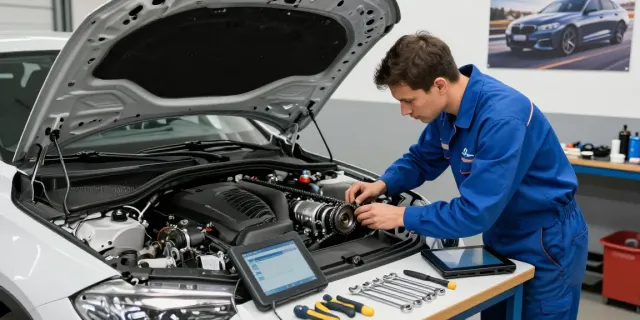
Before starting the replacement, ensure that your BMW is parked on a level surface. Disconnect the battery and secure the workspace by removing any obstacles. Drain the engine oil and remove the engine covers to access the timing chain.
Detailed Steps for a Successful Replacement
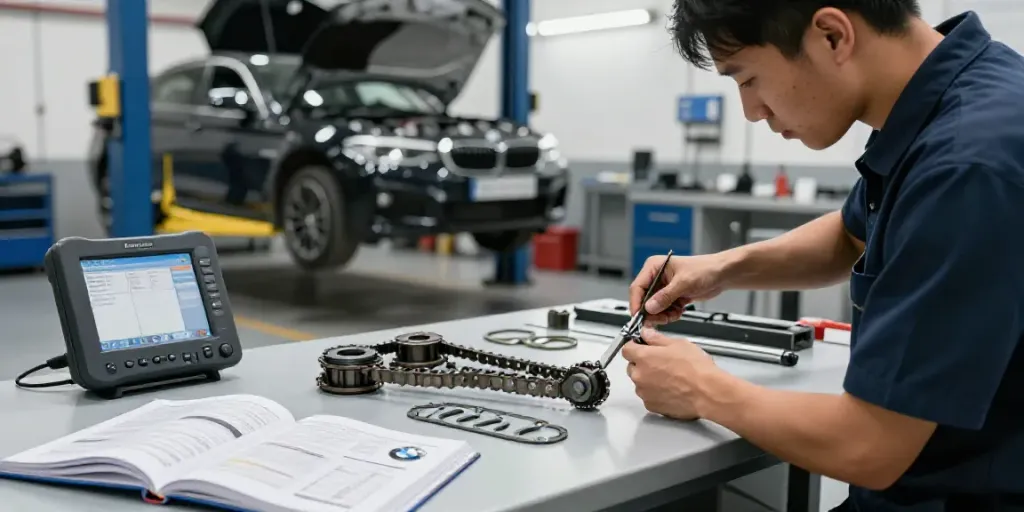
- Remove the old timing chain and components, taking care to note the orientation and placement for reassembly.
- Install the new timing chain and tensioners according to the specific alignment marks indicated in the service manual.
- Reassemble the engine components, ensuring all bolts are torqued to the manufacturer’s specifications.
- Replace the engine oil and filter before reconnecting the battery and starting the vehicle.
It is crucial to follow these steps meticulously to avoid any engine mishaps.
Finding the Right Mechanic for Your BMW Maintenance
Choosing the right mechanic is essential for ensuring that your BMW receives quality maintenance and repairs. Here are some tips to help you find a qualified automotive technician.
What to Look for in an Automotive Technician
Look for a technician who is certified and has experience with BMW models. Certifications from organizations such as ASE (Automotive Service Excellence) indicate that the technician has undergone rigorous testing and is knowledgeable about vehicle systems.
Questions to Ask Before Choosing a Service Center
Before selecting a service center, consider asking the following questions:
- What is your experience with BMW timing chain replacements?
- What warranties do you offer on parts and labor?
- Can you provide references or customer reviews?
Understanding Warranty Coverage and Service Guarantees
It is crucial to understand the warranty coverage of both parts and labor. A good mechanic will offer a guarantee on their work, giving you peace of mind that any issues post-repair will be addressed at no extra cost.
Future Trends in BMW Timing Chain Technology
The automotive industry is constantly evolving, and so is the technology related to timing chains in BMW vehicles. Being aware of future trends can help BMW owners better prepare for maintenance and repairs.
Innovations in Engine Design and Performance
BMW is continuously innovating its engine design to enhance performance and reduce emissions. Future models may feature improved timing chain systems that enhance durability and reliability, thereby extending the intervals between necessary replacements.
Predictions for 2026 and Beyond in BMW Maintenance
By 2026, it is likely that advancements in materials science will lead to more durable timing chains that require even less frequent replacements. Regular updates in engine management systems will also assist in monitoring chain condition, allowing for predictive maintenance rather than reactive repairs.
How to Prepare for Future Repairs
To prepare for future repairs, maintain a detailed log of service and maintenance records. Consider investing in an extended warranty for your vehicle, especially if it is a higher-mileage model known for timing chain issues. Staying informed about potential recalls or service bulletins issued by BMW can also help you address issues proactively.
What are the costs to replace the timing chain in a BMW?
The costs can range significantly depending on the model, but on average, expect to pay between $1,100 and $3,000, considering labor and parts costs.
When should I replace the timing chain on my BMW?
It is recommended to replace the timing chain based on the manufacturer's guidelines, typically between 60,000 to 100,000 miles, or sooner if any symptoms arise.
What BMW models are prone to timing chain issues?
Models that are particularly known for timing chain issues include the BMW 3 Series with the N47 engine and certain variants of the N57 engine.
How can I tell if my BMW needs a timing chain replacement?
Listen for unusual engine noises, check for trouble codes, and monitor performance. If you notice these symptoms, it's wise to have your vehicle inspected as soon as possible.
What’s the average lifespan of a BMW timing chain?
The average lifespan of a BMW timing chain can vary, but many chains are designed to last well over 100,000 miles if properly maintained.